

Banana Panikeke: Scoop and Push Samoan Fritters With Mix Shortcut
Panikeke are small, deep-fried Samoan banana fritters made from a thick, scoopable batter. The secret is texture, not technique: mix a batter thick enough to hold its shape on a spoon, then fry it at medium-hot oil for three to four minutes per side. Get that right and you land golden, fluffy fritters with a soft banana centre every time.
TL;DR:
- Ripeness of bananas is crucial; heavily speckled or brown bananas yield the best flavor and soft texture for panikeke.
- Batter consistency must be thick and sticky; too thin causes greasiness, while too stiff results in raw centers, making proper measurement essential.
- Fry in small batches at 175 to 190°C, and test oil readiness with a small batter piece to avoid common issues like uneven cooking or greasiness.
- Variations such as adding crushed pineapple or coconut milk can enhance flavor, but adjustments in liquid amount may be necessary to maintain batter consistency.
- A ready-made baking mix that only requires water, oil, and mashed banana can streamline preparation while preserving authentic taste and texture.
Table of Contents
- Banana panikeke recipe: ingredients and exact quantities
- Equipment, preparation and pantry swaps
- How to make panikeke: mixing, shaping and frying
- Common mistakes when frying banana fritters
- Serving ideas, variations and how to store panikeke
- Why Missy Lala’s approach matters for panikeke
- Nutritional information per serving
- Where does banana panikeke come from?
- How to choose the best bananas and ingredients
- A family kitchen note on panikeke
- Using the Cook Islands Donut Baking Mix as your panikeke shortcut
- Sources
- FAQ
Banana panikeke recipe: ingredients and exact quantities
A traditional batch uses simple pantry staples. This ratio makes roughly 12 to 24 pieces depending on how big you scoop them, matching the yields and timing common across Samoan recipe sources.
- about 3.5 cups plain flour
- just over one cup sugar
- a couple of teaspoons of baking powder
- a pinch of salt
- a couple of very ripe bananas, mashed
- about 1.5 cups water or milk
- a teaspoon of vanilla extract, optional
- Oil for deep frying
Ripeness matters more than most home cooks expect. Very ripe, heavily speckled bananas mash down soft and sweet, and research into banana flour composition shows ripe fruit carries higher soluble solids and antioxidant content than unripe fruit, which is part of why the flavour turns so much sweeter as bananas darken. Any soft eating banana works, including overripe ones you’d otherwise bin.
Want to change the flavour without changing the method? Fold in a cup of crushed pineapple for a tropical batch, or a teaspoon of cinnamon for warmth. Pineapple adds moisture, so hold back a tablespoon or two of the liquid to keep the batter thick.
Equipment, preparation and pantry swaps
You need a deep, heavy pot for stable oil temperature, a slotted spoon for lifting fritters out, and two dessert spoons for shaping. A thermometer helps, but a small test piece of batter dropped in the oil works just as well; if it sizzles and rises within a couple of seconds, the oil is ready.
Mash bananas with a fork until mostly smooth, small lumps are fine. Measure flour by spooning it into the cup and levelling it off, rather than scooping straight from the bag, which packs it down and throws off your ratios.
- Water gives a lighter, more neutral batter
- Milk adds richness and a softer crumb
- Coconut milk leans into island flavour
Pro Tip: Short on time or ingredients? Missy Lala’s Cook Islands Donut Baking Mix needs only water and oil, and works as a near-direct swap for the flour, sugar and baking powder in this recipe, so you just fold through mashed banana.
How to make panikeke: mixing, shaping and frying
- Combine dry ingredients first. Whisk flour, sugar, baking powder and salt together before adding anything wet, this stops pockets of raw flour later.
- Add banana and liquid. Stir in mashed banana, water (or milk) and vanilla with a spoon, not a whisk. Mix only until combined, overmixing develops gluten and makes fritters tough instead of fluffy.
- Check the consistency. The batter should sit thick and sticky on a spoon without sliding off. Too thin and it spreads into greasy, flat discs in the oil; too thick and the centre stays raw. This single detail is the most common failure point in home kitchens, according to the Polynesian Cultural Center’s panikeke method. If it’s loose, fold in a tablespoon of flour at a time. If it’s stiff, add water a tablespoon at a time.
- Heat the oil. Fill a deep pot with 5 to 7cm of oil and heat to roughly 175 to 190°C (350 to 375°F). No thermometer? Drop in a pea-sized test piece; it should sizzle immediately and float within a couple of seconds.
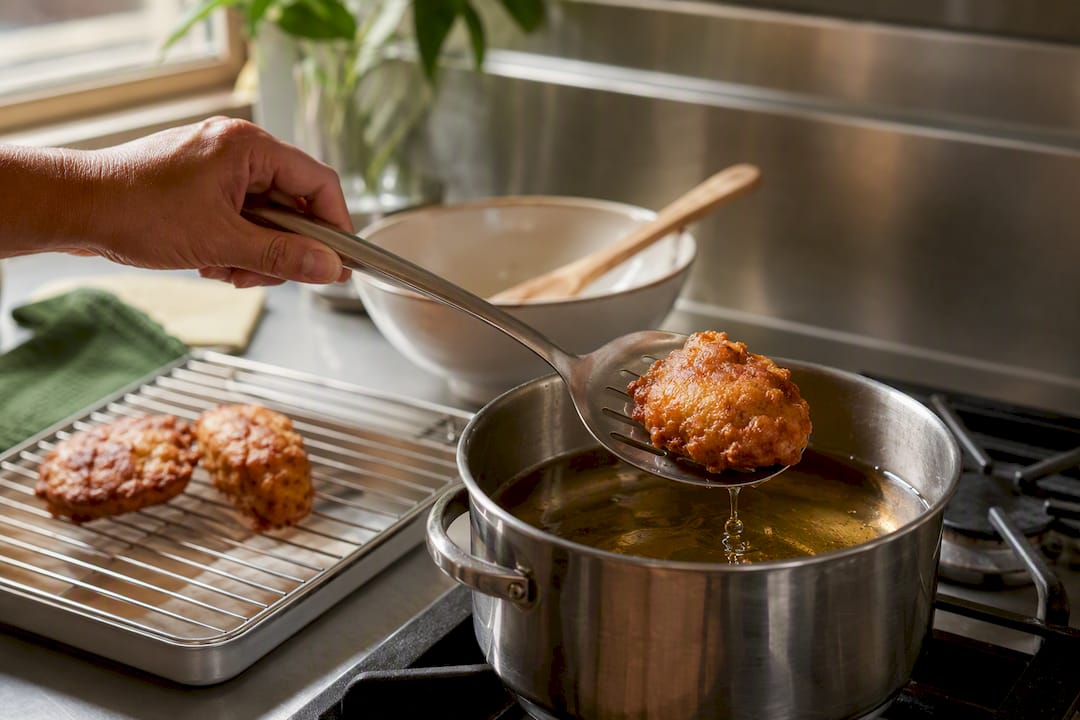
- Scoop and push. Take a spoonful of batter, then use a second spoon to push it off into the oil in one motion. This scoop-and-push technique is what gives panikeke their signature round shape.
- Fry in small batches. Cook four or five at a time so the oil temperature doesn’t drop. Fry for about three minutes per side, turning once, until deep golden all over.
- Drain and serve. Lift out with a slotted spoon onto paper towel or a wire rack, then serve warm.
A single batch typically yields between 12 and 24 fritters, with prep taking around 15 minutes and frying another 15 to 20 minutes total. Serve them the moment they’ve drained, panikeke lose their crisp edge fast once they cool.
Common mistakes when frying banana fritters
Greasy fritters almost always mean one of two things: the batter was too thin, or the oil wasn’t hot enough. Raw centres mean the opposite problem, usually a scoop that’s too large or oil that’s too hot on the outside without enough time to cook through.
- Test the oil with a small piece of batter before frying the full batch
- Lower the heat slightly between batches if fritters start browning too fast
- Raise it back up if a batch takes longer than four minutes to turn golden
- Keep a wire rack nearby rather than stacking cooked fritters on paper towel, stacking traps steam and softens the crust
You don’t need to rest panikeke batter before frying, it’s ready to use as soon as it’s mixed. If splatter is a worry, lower the loaded spoon closer to the oil’s surface before pushing the batter off, rather than dropping it from height.
Pro Tip: If your first two or three fritters come out uneven, treat them as your test batch. Adjust the batter or oil temperature before committing the rest, that’s exactly what home cooks in Samoa do when frying a big batch for a family gathering.
Serving ideas, variations and how to store panikeke
Panikeke are typically eaten warm, often rolled straight in sugar or drizzled with something sweet. A traditional coconut syrup, made by reducing water and sugar then stirring through coconut milk and vanilla, is a classic finish, as is a simple roll in cinnamon sugar.
- Koko syrup, a traditional cocoa accompaniment
- Cinnamon sugar rolled straight onto warm fritters
- Butter and jam, or peanut butter, for a modern twist
- Coconut syrup, for a richer island flavour
For variations, swap in mashed sweet potato alongside the banana for an earthier fritter, or replace the water with coconut milk for extra richness, both changes work well according to the Food.
Leftovers keep in the fridge for up to two days in an airtight container. Freeze for longer storage, up to a month. Reheat in an oven or air fryer at 180°C for five to seven minutes to bring the crust back, microwaving turns them soft and a little rubbery.
Why Missy Lala’s approach matters for panikeke
A Cook Islands Donut Baking Mix designed for similar fritters requires only water and oil to create a batter resembling a from-scratch mix while reducing preparation time. Such a mix can also be used for other island staples like Māori fried bread and coconut rolls, making it a versatile pantry item rather than limited to a single recipe.
Jasmin’s notes on ingredient sourcing and Missy Lala’s brand history sit here, ready for author details.
Nutritional information per serving
A standard panikeke, roughly the size of a golf ball, sits firmly in the treat category rather than an everyday staple. The batter is built from flour, sugar and banana, so each fritter carries a meaningful hit of carbohydrate and sugar, with the oil frying adding fat.
Exact numbers shift depending on fritter size, how much sugar goes into the batter, and how much oil clings after draining, so there’s no single figure that applies to every kitchen’s version. What holds steady across recipes is the balance: this is a carbohydrate-forward, moderately sweet fried food, closer in profile to a doughnut than to a pancake, even though the banana adds some potassium and natural sweetness that reduces the need for as much added sugar.
If you’re watching portions, the easiest lever is size. Smaller scoops mean more fritters at a lighter weight each, rather than fewer large ones that pack more batter and oil per piece. Draining thoroughly on a wire rack rather than paper towel also matters, most of the oil that ends up in a finished fritter is what didn’t have anywhere to run off.
Panikeke were never designed as a health food, and that’s fine, they’re a shared plate for gatherings, not a daily meal. Treating them that way, as an occasional family treat rather than breakfast on rotation, keeps the recipe exactly what it’s meant to be.
Where does banana panikeke come from?
Panikeke traces back to bakery ingredients introduced to Samoa in the 19th century, when flour, sugar and baking powder became available and were folded into local cooking traditions. Over time, banana became one of the most common additions, turning a simple fried dough into the fritter now served at family gatherings across Samoa and the wider Pacific.
The name itself borrows from English, “pancake” softened into Samoan pronunciation, though the result is closer to a doughnut than a flat pancake. What’s stayed constant is the social context: panikeke has always been food made in batches, for sharing, according to the cultural background compiled by The Koko Samoa. Families fry them for church gatherings, birthdays, and casual weekend mornings, often with several people taking turns at the pot.
That communal element explains why panikeke recipes vary so much from household to household. One family’s version leans on vanilla, another swears by cinnamon, and a third skips both in favour of a plain, banana-forward batter. There’s no single “correct” recipe, only a shared method, thick batter, hot oil, scoop and push, passed down and adjusted household by household. That flexibility is part of what makes panikeke worth learning properly rather than following a rigid formula.
How to choose the best bananas and ingredients
Ripeness is the single biggest lever for flavour and texture. Look for bananas with skins that are heavily speckled or almost fully brown, they should feel soft when gently squeezed and smell noticeably sweet. Bananas that are still yellow and firm will work, but they mash less easily and add less natural sweetness, forcing you to lean harder on added sugar.
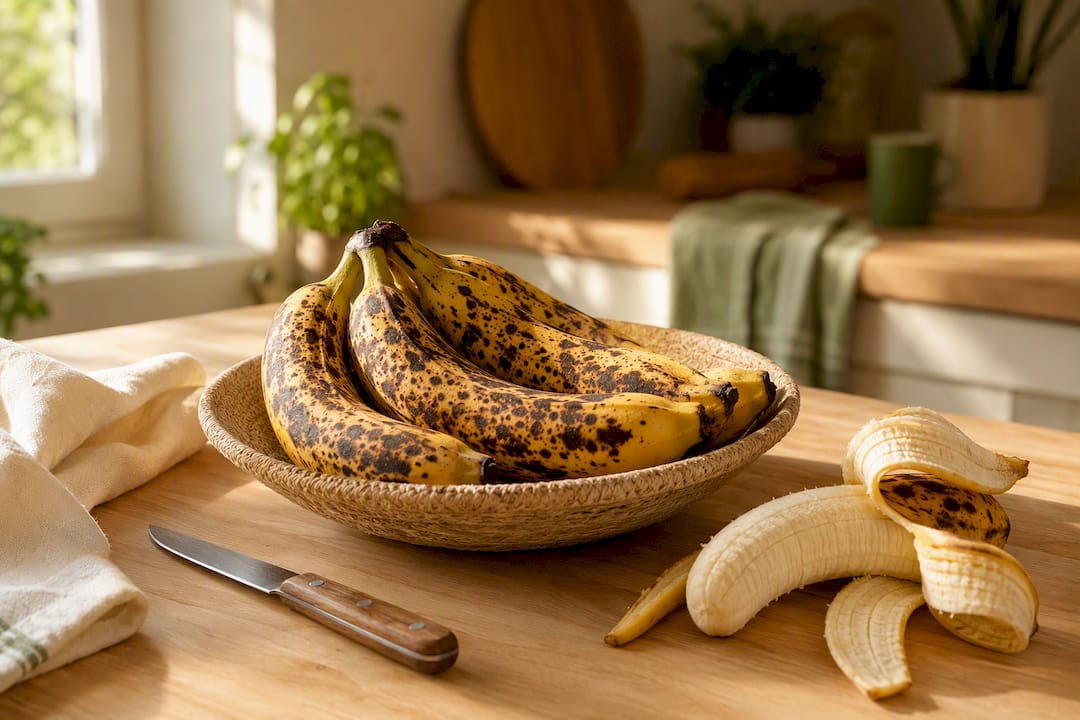
If your bananas aren’t ripe enough on the day you want to cook, a quick fix helps: bake them whole, skin on, at 160°C for 15 to 20 minutes until the skins blacken. This softens the fruit and concentrates sugars fast, without waiting days on the counter.
For the dry ingredients, plain flour is the standard choice, no need for anything specialty. Baking powder should be fresh, an old tin loses lifting power and leaves fritters denser than intended. If you’re using coconut milk instead of water for a richer batch, choose a full-fat tinned variety rather than a diluted drinking version, it holds up better against the frying heat and adds real flavour rather than a watery hint of coconut.
Buying bananas a few days ahead and letting them ripen at room temperature, away from the fridge, usually gets you exactly the softness this batter wants.
A family kitchen note on panikeke
Panikeke has always struck me as a recipe built for more than one pair of hands, someone mashing bananas while someone else minds the oil, the way it’s described in Polynesian Cultural Center’s writing on the dish. That shared rhythm is worth protecting even in a smaller kitchen. If you try a variation, coconut milk, pineapple, a different topping, we’d genuinely like to see how it turns out and hear what worked for your family.
— Jasmin
Using the Cook Islands Donut Baking Mix as your panikeke shortcut
Missy Lala’s Cook Islands Donut Baking Mix skips the measuring and guesswork of a from-scratch batter without skipping the flavour a real island recipe needs. Add water and oil, fold through mashed ripe banana, and fry using the same scoop-and-push method covered above, no separate flour, sugar or baking powder measuring required.
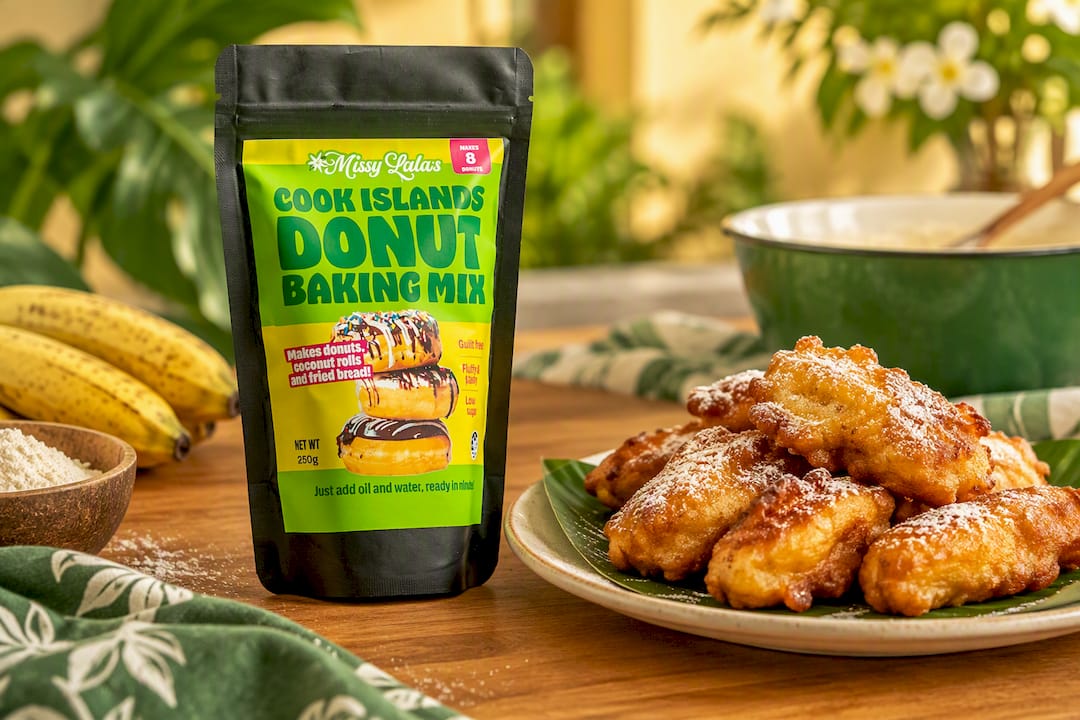
The same mix stretches well beyond panikeke. It works for Māori fried bread and coconut rolls, which makes it a genuinely useful pantry staple rather than a single-recipe purchase, and a thoughtful gift for anyone who grew up on island baking but doesn’t always have the time for it. Browse the full Cook Islands Donut Baking Mix range to find the size that suits your household, or head straight to the 250g mix product page to get your next batch of panikeke started this weekend.
Sources
- Samoan Panikeke Recipe
- Panikeke recipe – history, tips & serving ideas | The Koko Samoa
- Panikeke recipe | Polynesian Cultural Center blog
- Food
FAQ
What are the ingredients for Samoan panikeke?
The core list is plain flour, sugar, baking powder, a pinch of salt, very ripe mashed bananas, and water or milk, with vanilla as an optional flavouring. This produces the thick, sticky batter traditional recipes rely on for round, golden fritters.
How do you make a simple banana pancake?
For a simple version, mash ripe bananas, mix with flour, sugar, baking powder and a splash of water or milk until thick and scoopable, then fry spoonfuls in hot oil for a few minutes per side. It’s closer to a fritter than a flat pancake, which is exactly what makes panikeke distinctive.
Are banana pancakes actually healthy?
Panikeke are a fried treat built on flour, sugar and oil, so they sit in the same category as a doughnut rather than a light breakfast food. The banana does add natural sweetness and some potassium, but frying and added sugar mean they’re best enjoyed occasionally rather than daily.
How do you make three-ingredient banana pancakes?
A stripped-back version uses just ripe banana, egg and a small amount of flour, mashed and mixed until just combined, then cooked in a lightly oiled pan. This isn’t the traditional Samoan method, which relies on flour, sugar and baking powder rather than egg, but it’s a quick alternative when you’re short on pantry staples.
Can I use a baking mix instead of measuring ingredients from scratch?
Yes. Missy Lala’s Cook Islands Donut Baking Mix needs only water and oil, and folding through mashed banana gives you a panikeke-style fritter without measuring flour, sugar and baking powder separately. Current pricing is available on the product page.


