

Home Cooks: When 3–12 Uses of Frying Oil Is Safe, and When to Toss
Yes, home cooks can safely reuse frying oil in many cases, but only within limits. Strain it well, store it properly, and stop the moment it turns dark, smells off, or starts smoking too early. The bigger risk is overheating oil past its smoke point repeatedly, which speeds up the breakdown that eventually makes both your food and your oil worse.
TL;DR:
- Using polyunsaturated oils like sunflower degrades faster than monounsaturated options, especially when repeatedly heated past their smoke point.
- Properly straining and storing oil in opaque, airtight containers for up to several weeks can extend its reuse but only if the oil remains clear, odorless, and not foamy or smoking early.
- Breaded or heavily coated foods typically limit oil reuse to about three to four uses, while cleaner frying such as vegetables can last six to twelve uses with good maintenance.
- Signs of oil breakdown include darkening, persistent foaming, off-odors, and reduced frying performance, indicating it should be discarded.
- Choosing stable oils like canola, peanut, rice bran, or refined avocado helps maximize the number of safe reuse sessions and reduces chemical deterioration.
Table of Contents
- Why reusing frying oil breaks down oil (the food-lab science)
- How to clean and store used frying oil properly
- How many times can you reuse frying oil?
- Signs your frying oil needs to go
- Which oils and temperatures make reuse easier
- Disposing of or recycling used cooking oil the right way
- Frying island-style doughs the practical way
- What actually matters when you reuse frying oil
- Make small-batch frying simple with Missy Lala
- Sources
- FAQ
Why reusing frying oil breaks down oil (the food-lab science)
Every time you heat oil, three things attack it at once: heat, oxygen, and whatever food particles are floating around in it. Together they trigger oxidation and polymerisation, slowly turning fresh oil into a mix of polar compounds and aldehydes that neither taste nor perform the way clean oil does. Laboratory testing on repeatedly heated vegetable oils shows peroxide value, free fatty acids, and total polar compounds all climb with each heating cycle, though the rate depends heavily on which oil you started with.
Oils high in polyunsaturated fats, like sunflower or corn oil, degrade faster than monounsaturated or saturated options such as canola or peanut oil. That difference matters more than most home cooks realise when choosing what to fry with long term.
- Oxidation and polymerisation change oil’s chemical structure with every heating cycle.
- Polyunsaturated oils break down quicker than monounsaturated or saturated ones.
- Degraded oil can form compounds linked to inflammation and cardiovascular strain.
The real driver of breakdown isn’t just heat. Food-lab testing has found that particulate matter, the crumbs and batter bits left behind after frying, is often the biggest factor in how fast oil deteriorates, because those particles keep “cooking” in the oil long after your food is out of the pan, as Serious Eats’ Ask the Food Lab explains.
How to clean and store used frying oil properly
Getting this step right is what separates oil you can safely reuse from oil you should tip out. The process is simple, but skipping a step shortens your oil’s life fast.
- Skim while warm, not hot. Once you’ve finished frying and the oil has cooled slightly, scoop out large crumbs and debris with a slotted spoon.
- Strain when cool enough to handle. Pour the oil through a fine mesh sieve lined with cheesecloth or a coffee filter to catch the finer particles that skimming misses.
- Decant into an airtight, opaque container. Light speeds up oxidation, so a dark bottle or a sealed jar wrapped in foil works better than a clear one left on the bench.
- Label with the date and what it fried. This one habit prevents the classic mistake of frying doughnuts in oil that last cooked fish.
- Store cool and dark, or refrigerate for longer stretches. A pantry shelf works for oil you’ll use again within a week or two; the fridge or freezer extends that considerably.
This procedure lines up with guidance from food scientists on reusing cooking oil, who consistently point to straining and proper storage as the two habits that matter most.
If you’re only topping up a partially used batch rather than starting fresh, add new oil gradually rather than all at once, and keep separate jars for different food types so your doughnut batch doesn’t come out tasting like last week’s fish and chips.
Pro Tip: Keep a dedicated jar just for sweet frying, like doughnuts or fritters. Cross-using oil that’s fried fish, garlic, or curry will leave a flavour behind that no amount of straining fixes.

How many times can you reuse frying oil?
There’s no single magic number, because it depends entirely on what you’re frying and how well you maintain the oil. What holds true across most kitchens is that lighter, cleaner frying jobs stretch oil further than heavy, breaded ones.
- Breaded or flour-dredged meats: expect roughly 3 to 4 uses before quality drops noticeably, since coatings shed more particles into the oil.
- Clean batters and vegetables: well-filtered, temperature-controlled oil can often handle 6 to 12 uses or more.
- High frying temperatures, excess crumbs, and fatty meats all shorten oil life regardless of type.
- Foaming or smoking earlier than usual is your practical cue to stop, no matter how many uses you’ve counted.
For occasional home frying, a conservative approach works best. Food scientists interviewed by EatingWell often recommend capping reuse around three times for many everyday situations, particularly if you’re not confident about how clean your straining process really is.
Signs your frying oil needs to go
Your senses are the best test you have, better than any fixed number of uses. Trust what you see, smell, and notice while cooking.
- Colour and texture: oil that’s turned dark brown, cloudy, or feels sticky between your fingers has broken down too far.
- Persistent foaming: oil that keeps bubbling and foaming after you remove the food is signalling built-up degradation products.
- Smell and taste: rancid, sour, or burnt odours mean the oil will pass those flavours straight into your food.
- Performance: oil that smokes at a lower temperature than it used to, or leaves food soggy instead of crisp, has lost its frying capacity.
Repeated heating measurably increases oxidation byproducts in oil, and lab evidence on repeatedly heated oils confirms that these changes accelerate the longer oil stays in circulation. Once two or more of these signs show up together, it’s time to start fresh rather than push for one more batch.
Which oils and temperatures make reuse easier
Some oils are simply built to last longer under heat. Refined, more stable oils give you more mileage per litre and a wider margin for error.
- Canola, peanut, rice bran, and refined avocado oil all hold up well across multiple frying sessions thanks to their fatty acid profiles.
- Vegetable oil blends are a solid, affordable middle ground for regular home frying.
- Coconut oil is more heat-stable than many assume, though its flavour carries strongly into whatever you fry.
- Olive oil works for lighter, lower-heat frying but isn’t ideal for repeated high-temperature use.
Keeping your oil in the right temperature band matters just as much as which oil you choose. Aim for a consistent 175 to 190°C, and use a kitchen thermometer rather than guessing by eye, since Serious Eats’ guide to reusing frying oil notes that overshooting the smoke point accelerates the exact chemical breakdown you’re trying to avoid.
Pro Tip: When topping up a batch of used oil with fresh oil, you’re not just adding volume. You’re diluting the degraded compounds already built up, which helps the oil perform better for longer.
Disposing of or recycling used cooking oil the right way
Never pour used oil down the sink. It clogs pipes, causes headaches for household plumbing, and creates bigger problems further down the wastewater system.
- Small amounts can be solidified, either by mixing with an absorbent material or cooling and sealing it, then binned with household rubbish where local rules allow.
- Larger amounts are better taken to a collection point. New Zealand Government guidance on used oil recommends keeping used oil separate from other waste and returning it to recycling facilities rather than the drain.
- Some councils run dedicated schemes. Palmerston North City Council, for example, collects used cooking oil specifically to convert into biofuel.
- Check your own council’s rules. Options and collection points vary widely, so a quick search for your local authority’s guidance saves confusion later.
Seal your container tightly and label it clearly before it leaves your kitchen, whether it’s headed to a rubbish bin or a collection point.
Frying island-style doughs the practical way
Small-batch frying, the kind used for doughnuts, panekeke, and Māori fried bread, tends to be gentler on oil than heavy breaded jobs, since there’s less loose coating shedding into the pot. Reusing frying oil for a second or third batch of doughnuts works well, provided you skim between rounds and never mix it with oil that’s previously fried fish or savoury dishes.
Keeping one jar set aside purely for sweet frying, as covered in tips for easy island baking, avoids the flavour-transfer problem that catches out a lot of home bakers.
What actually matters when you reuse frying oil
The conventional advice on reusing frying oil tends to fixate on a number, three uses, four uses, whatever the source claims, as if oil degradation were a stopwatch rather than a chemical process. It isn’t. The research is clear that particulate load and temperature control matter more than a raw use count, which means two cooks frying the same oil the same number of times can end up with very different results depending on how carefully they skimmed and strained.

Where most home cooks go wrong isn’t reusing oil at all. It’s reusing dirty oil, oil left with crumbs and batter fragments still floating in it, then wondering why it smokes early on the third go. The single highest-leverage habit isn’t a storage container or a fancy thermometer. It’s straining properly every single time, no exceptions.
If you fry only occasionally, for doughnuts, fritters, or the odd batch of fried bread, keep it simple: strain well, store cold, label your jar, and trust your nose over any fixed rule. That habit alone will do more for your food and your wallet than obsessing over an exact use-by number ever will.
— Jasmin
Make small-batch frying simple with Missy Lala
A Cook Islands Donut Baking Mix that needs only water and oil makes for a natural fit with the careful, small-batch frying habits covered above. There’s no measuring flour, sugar, or a dozen other ingredients. Just mix, fry, and get soft, authentic island-style doughnuts on the table in under an hour.
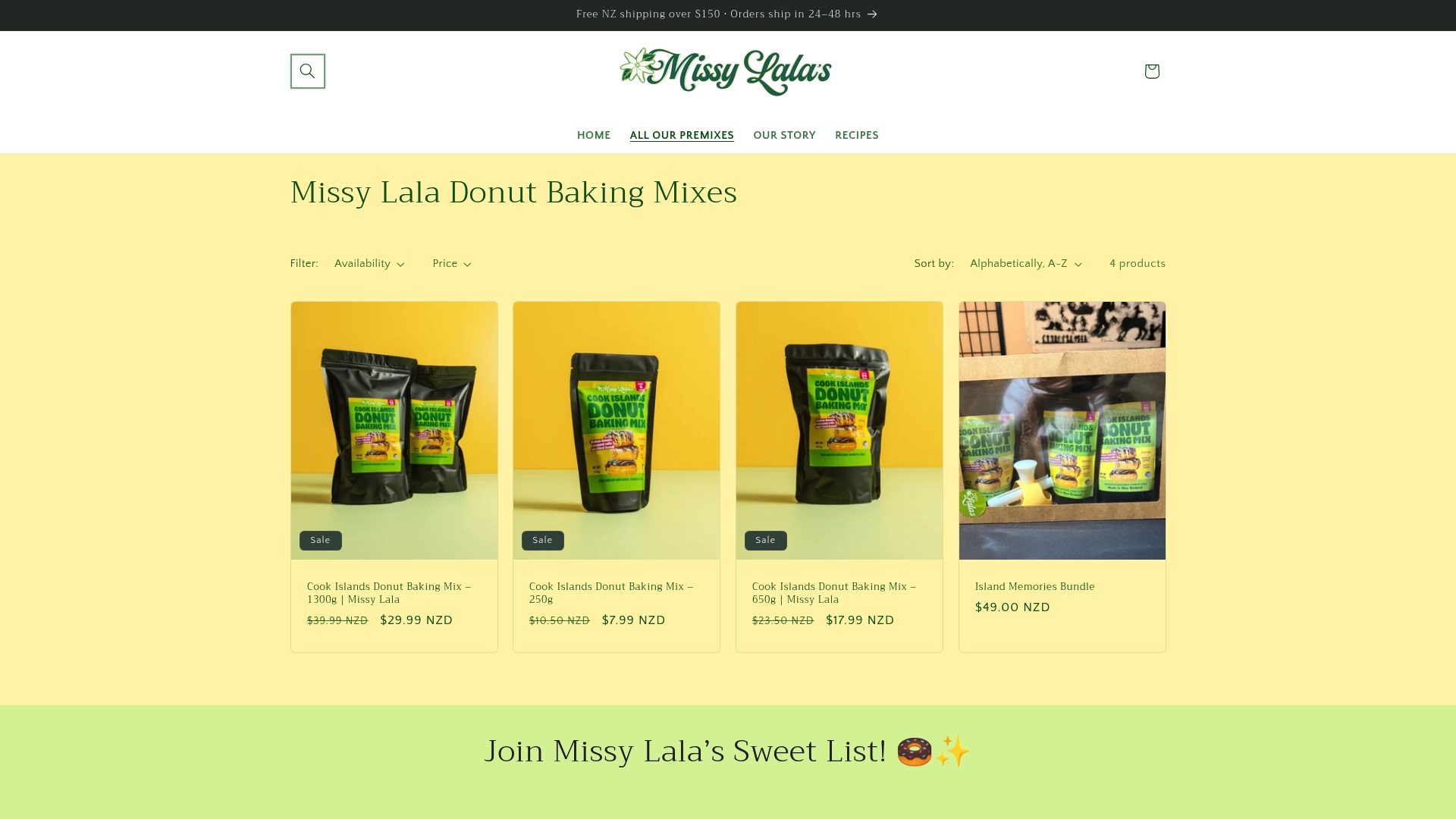
If you’re frying for a quick weekend treat, the 250g pack keeps your oil use modest and manageable. Feeding a bigger household or planning a family baking session, the 650g or 1300g mix covers more ground without wasting oil on separate batches. For gatherings where doughnuts sit alongside coconut rolls and other treats, the Island Memories Bundle brings everything together in one order. Browse the full donuts collection and pick the size that matches your next fry-up.
Sources
For deeper reading on the science and safe handling behind this guide, see Ask the Food Lab on reusing fry oil, EatingWell’s food scientist interview, the ScienceDirect study on repeatedly heated oils, and the New Zealand Government’s used oil guide. Always check your local council’s own disposal rules, since these vary by region.
This article is general information, not a substitute for advice from a qualified doctor. Consult a qualified healthcare professional about your own circumstances before acting on anything here.
- How Many Times Can I Re-Use Fry Oil? | Ask the Food Lab
- Is It Safe to Reuse Cooking Oil? Here’s What a Food Scientist Says
- Quality evaluation of different repeatedly heated vegetable oils for deep-frying of yam fries
- Used oil guide (New Zealand Government)
FAQ
How many times can you reuse the same frying oil?
It depends on what you’re frying. Breaded or heavily coated foods limit oil to around 3 to 4 uses, while clean batters and vegetables can often stretch to 6 to 12 uses or more when the oil is well filtered and temperature-controlled.
How do you clean old frying oil to reuse it?
Skim large debris while the oil is still warm, then strain it through a fine mesh sieve lined with cheesecloth once it’s cool enough to handle safely. Pour it into a labelled, airtight, opaque container and store it somewhere cool and dark, or in the fridge for longer storage.
Why can’t cooking oil be reused indefinitely?
Every heating cycle triggers oxidation and polymerisation, building up polar compounds and aldehydes that harm both flavour and food safety. Lab testing confirms that these compounds accumulate faster in oils high in polyunsaturated fats, which is why oil choice affects how many times it can safely go back in the fryer.
Can you use leftover oil from frying doughnuts or fritters?
Yes, provided it was strained properly after the last use and stored in a sealed, labelled container away from light and heat. Keep a dedicated jar for sweet frying like doughnuts, since oil previously used for fish or savoury dishes will carry those flavours into your next batch, something worth remembering if you’re using Missy Lala’s Cook Islands Donut Baking Mix for regular fry sessions.


