

Coconut Glaze: Glossy Donuts for Home Bakers with Full Fat Milk
Make coconut glaze for donuts with 1 cup sifted powdered sugar and 2 to 3 tablespoons full‑fat canned coconut milk, whisked until smooth. Add coconut extract optionally for a stronger coconut punch. You’re aiming for a glaze that runs like thick honey, thick enough to coat but loose enough to pour, and it should only go on donuts that have fully cooled.
TL;DR:
- Full‑fat canned coconut milk is essential for a glossy, bakery-like finish because lower-fat options produce a less stable glaze.
- Sifting powdered sugar ensures a smooth glaze without lumps, which is crucial for even coating and proper consistency.
- Applying the glaze to fully cooled donuts prevents melting and drips, with dipping batches of four or five preferred for consistency.
- Toasted coconut must be pressed into the glaze immediately after application to maintain crunch, as it softens within a day.
- Adjusting the glaze’s thickness involves adding powdered sugar or coconut milk, and fixing common issues quickly requires small corrections with both ingredients.
Table of Contents
- Ingredients and ratios that actually work
- How do you mix and apply coconut glaze?
- How do you toast coconut for donut topping?
- Coconut glaze variations worth trying
- Fixing common coconut glaze problems
- Storing and making coconut glaze ahead
- Why full‑fat coconut milk and toasted coconut win every time
- Get bakery-soft donuts ready for glazing in under an hour
- Sources
- FAQ
Ingredients and ratios that actually work
The ratio above is the backbone, but the details around it decide whether your glaze looks homemade or bakery-bought.
Sifting the powdered sugar isn’t optional. Skip it and you’ll fight lumps the whole way through, and even experienced bakers end up reaching for a hand mixer to rescue a batch that should have been smooth from the start. Run the sugar through a fine sieve before it touches any liquid.
Full‑fat canned coconut milk matters more than most recipes let on. Canned coconut milk gives a richer mouthfeel than the thin, watery coconut beverage sold in cartons for drinking, which simply doesn’t have the fat content to hold a glossy set. Give the can a good shake before measuring, since the cream and liquid separate in storage.
- Powdered sugar: 1 cup, sifted
- Full‑fat coconut milk: 2 to 3 tablespoons, from a shaken can
- Coconut extract: ½ to 1 teaspoon, optional but recommended for flavour depth
- Salt: a small pinch, to balance the sweetness
- Lime or lemon juice: a few drops, to brighten the flavour
- Shredded coconut for topping: roughly ½ cup, toasted, per dozen donuts
Coconut extract adds a bakery-style aroma that coconut milk alone rarely delivers on its own, since the milk’s flavour is subtler than most people expect.
How do you mix and apply coconut glaze?
Getting the glaze on the donut is where most home bakers either nail it or lose it to drips, streaks, and patchy coverage.
- Sift the powdered sugar into a bowl. Then add 2 tablespoons of coconut milk and whisk until completely smooth.
- Check the texture: it should coat the back of a spoon the way thick honey does, moving slowly rather than running off instantly.
- If it’s too thick, add coconut milk a teaspoon at a time, whisking between each addition.
- If it’s too thin, add sifted powdered sugar a tablespoon at a time until it thickens back up.
- Make sure your donuts are completely cool. Warm donuts melt the glaze and it slides straight off.
- Hold each donut by the base and dip the top half into the glaze, then lift and let the excess drip back into the bowl for a few seconds.
- For a thicker finish, spoon the glaze over the top instead and smooth it with the back of the spoon.
- If the glaze turns runny after sitting out, chill it briefly in the fridge to firm it up before you dip the next batch.
The thick‑honey benchmark is worth memorising because it applies whether you’re glazing one donut or fifty, and it tells you instantly whether to add sugar or liquid.
Pro Tip: Dip donuts in batches of four or five, then move straight to topping with toasted coconut. Glaze that sits too long starts to skin over, and toasted coconut won’t stick properly once that happens.
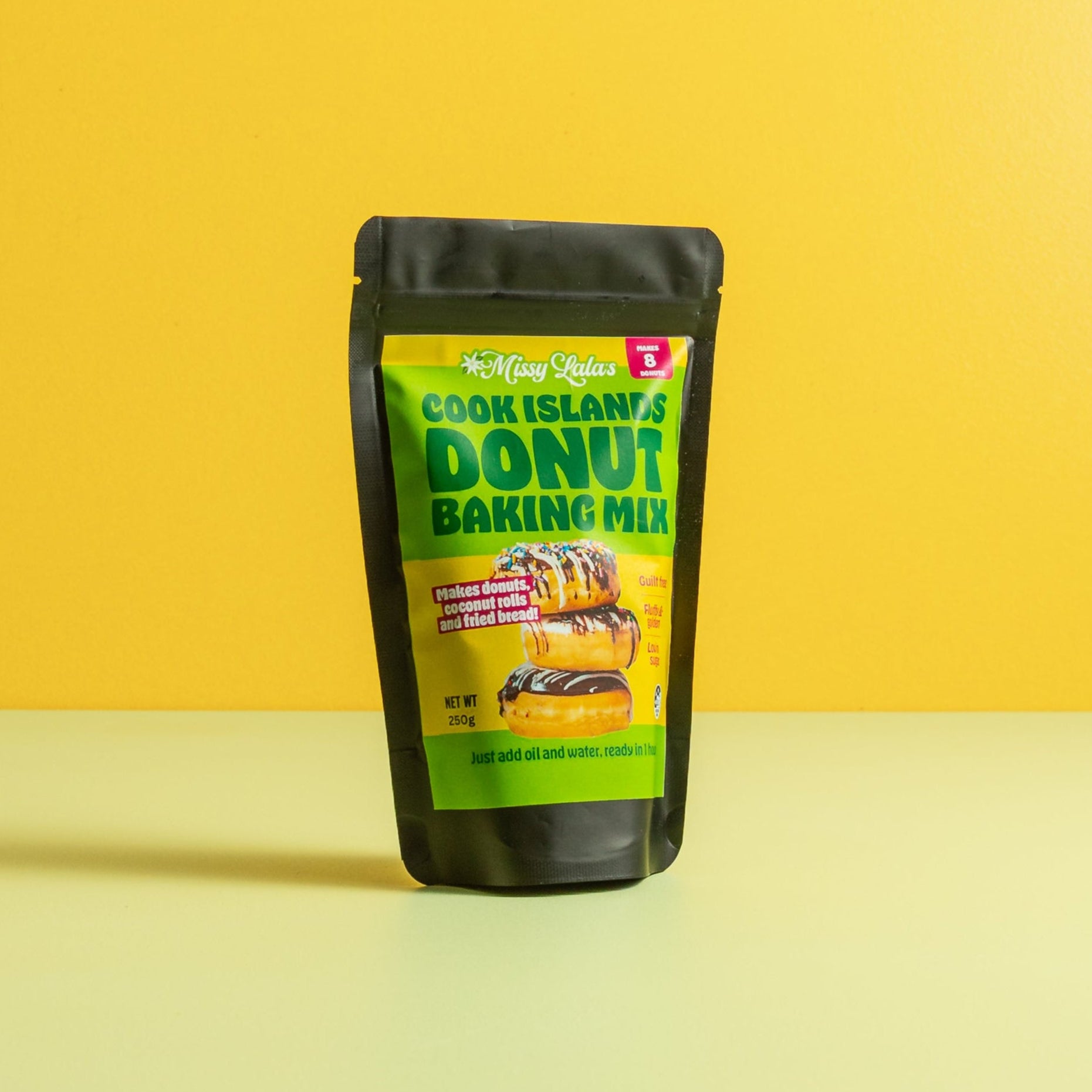
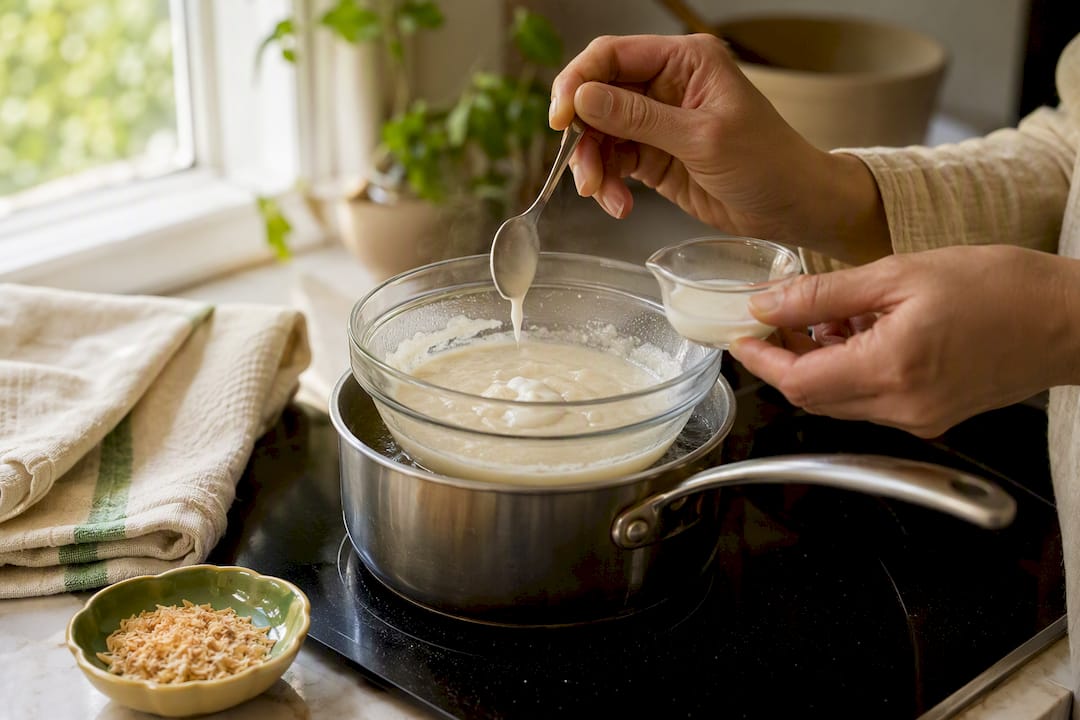
If your glaze has gone stiff after time in the fridge, don’t add cold coconut milk straight away. Warm the bowl gently over a pot of hot water for thirty seconds first, then loosen it with tiny splashes of milk.
How do you toast coconut for donut topping?
Toasted coconut is what separates a plain glazed donut from something that looks like it came out of a real bakery, and it takes almost no extra effort.
- Pan method: spread shredded coconut in a dry skillet over medium‑low heat and stir constantly for 6 to 14 minutes until golden.
- Oven method: spread coconut on a tray and bake at 175°C for 3 to 12 minutes, checking every couple of minutes and stirring.
- Use unsweetened shredded coconut where possible. Sweetened varieties contain more sugar and char far faster, turning bitter before you notice.
- Watch closely in the final minute. Coconut goes from perfectly golden to burnt in a matter of seconds, so stir every 30 to 60 seconds near the end.
- Press the warm toasted coconut into the glaze immediately, while it’s still tacky. The heat from the coconut also helps the glaze set with a slightly glossier finish.
Toasted coconut softens over a day or two as it absorbs moisture from the glaze, so topping donuts closer to serving time keeps that crunch intact.
Coconut glaze variations worth trying
Once you’ve got the base ratio down, small changes shift the flavour and texture without much extra work.
- Stronger coconut flavour: increase coconut extract to a full teaspoon, or swap out any vanilla extract in the recipe entirely for coconut.
- Thicker icing for spreading: add extra sifted sugar or reduce the coconut milk slightly until the glaze holds its shape rather than pouring.
- Dairy‑free coconut cream version: use thick coconut cream instead of coconut milk with a powdered sweetener alternative. Expect a denser, less glossy finish than the classic version.
- Bright citrus twist: stir in a teaspoon of lime or lemon juice to cut through the sweetness, adding it in small amounts since too much will thin the glaze.
Each swap changes either the set or the sweetness, so introduce one variation at a time rather than stacking three changes into a single batch.
Fixing common coconut glaze problems
Most glaze disasters are fixable in under a minute if you know which lever to pull.
- Glaze too runny: whisk in sifted powdered sugar a tablespoon at a time, or chill the bowl for five to ten minutes to firm it up.
- Glaze is lumpy: this almost always means the sugar wasn’t sifted. Whisk harder, or run it through a hand mixer for thirty seconds to smooth it out.
- Glaze won’t stick to the donut: the donut is either still warm or the glaze has thinned too far. Cool the donut fully and thicken the glaze slightly with extra sugar.
- Coconut burnt in the pan or oven: discard it and start again on lower heat. Burnt coconut carries a bitter, almost scorched taste that no amount of sugar will mask.
- Set glaze gone hard in the fridge: warm it gently and whisk in tiny amounts of coconut milk until it loosens back to a pourable consistency.
Pro Tip: Keep a spare tablespoon of both sifted sugar and coconut milk on the bench while you glaze. Most fixes only need a small nudge in one direction, and having both within reach means you won’t overcorrect.
Storing and making coconut glaze ahead
Coconut glaze holds up well in the fridge for 2 to 3 weeks in a sealed container. Give it a good stir, or thin it with a little extra coconut milk, before using it again since it thickens as it sits.
Unglazed donuts freeze for up to a month. Thaw them fully at room temperature before glazing, since glaze poured over a partly frozen donut sets unevenly and can slide off.
- Same‑day storage: keep glazed donuts covered at room temperature rather than in the fridge, which dries the glaze out faster.
- Expect toasted coconut topping to soften within a day as it takes on moisture from the glaze underneath.
- To bring back some crunch, pop glazed donuts under a low grill for thirty seconds to re‑crisp the coconut before serving.
Why full‑fat coconut milk and toasted coconut win every time
After enough batches of coconut glaze, one thing becomes obvious: the recipe is simple, but the ingredients you choose do all the heavy lifting. Full‑fat canned coconut milk consistently produces a richer, glossier coat than anything from a carton, and unsweetened shredded coconut toasts more evenly without tipping into bitterness the way sweetened varieties do.
What surprises a lot of home bakers is how much the donut base itself affects the outcome. A dense or overly dry donut soaks up glaze unevenly, while a soft, well‑aerated base holds a clean, even coat. The Missy Lala Cook Islands Donut Baking Mix is built around that softness, which is exactly the kind of base this glaze was designed to sit on. Get the base right and the glaze does the rest.
— Jasmin
Get bakery-soft donuts ready for glazing in under an hour
A Cook Islands Donut Baking Mix skips the fiddly proofing and measuring that trips up most home donut attempts. Add water and oil, mix, fry, and you’ve got a soft, authentic island-style base ready for this glaze in under an hour, no yeast troubleshooting required.
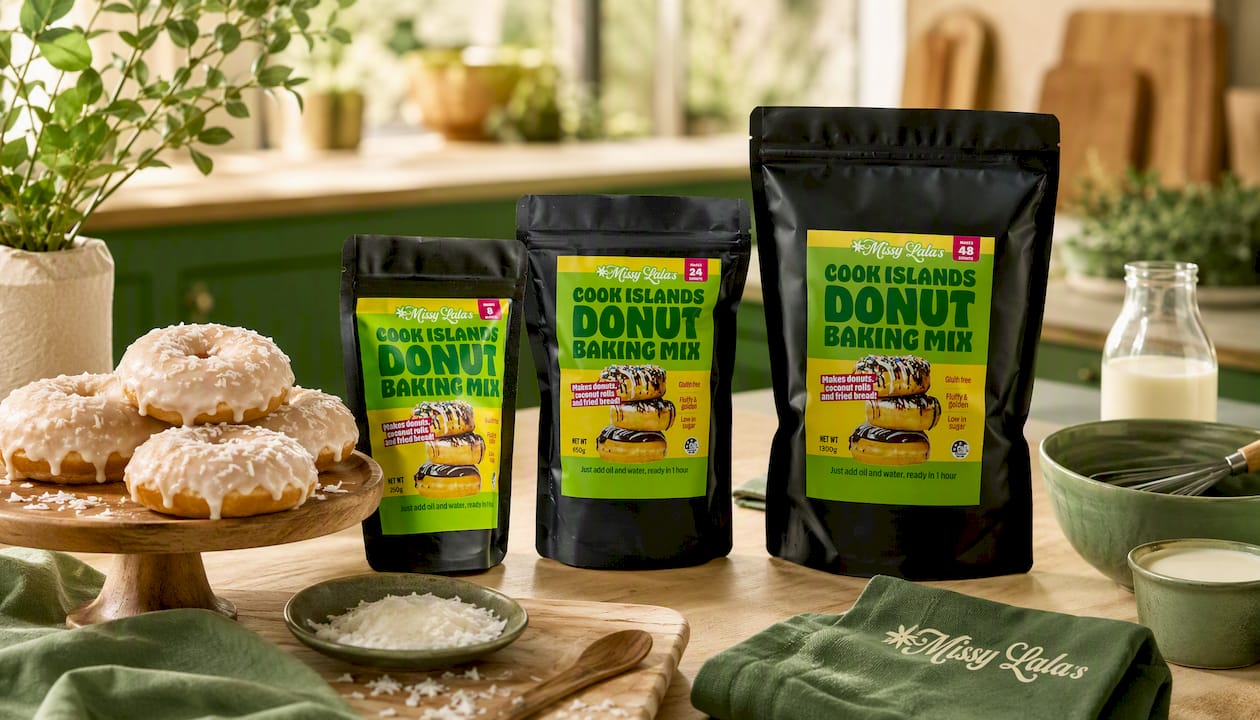
The mix comes in three sizes depending on what you’re making. The 250g pack suits a first trial batch if you want to test this glaze before committing to a bigger bake. The 650g pack covers a standard family batch with enough donuts for topping variations. The 1300g pack is built for events and gatherings where you’re glazing in bulk. For tips on getting the most out of any box mix, see how to improve box donut mix. Browse the full range on the Missy Lala collection page and pick the size that matches your next bake.
Sources
Recipe ratios and toasting timings above are drawn from tested sources including Food52’s coconut glaze recipe, Baked by an Introvert’s toasting guide, Baked Bree’s glaze consistency notes, Tasty Tinkerer’s toasted coconut donuts, and Martha Stewart’s coconut glaze.
- Coconut pound cake with coconut glaze | Food52
- How to toast coconut (3 ways) | Baked by an Introvert
- Powdered sugar glaze guide | Baked Bree
- Toasted coconut donuts | Tasty Tinkerer
FAQ
What Are the Ingredients for a Coconut Glazed Donut?
A basic coconut glazed donut needs a soft fried or baked donut base, sifted powdered sugar, full‑fat coconut milk, and optionally coconut extract and toasted shredded coconut for topping.
What Is Donut Glaze Made Of?
Standard donut glaze is powdered sugar mixed with a liquid, usually milk or water, plus vanilla or another flavour extract, whisked until it forms a pourable, glossy coating.
What Is the Glaze on a Krispy Kreme Donut Made Of?
Commercial glazes like Krispy Kreme’s use powdered sugar and a liquid base with flavourings, following the same principle as homemade glaze though the exact commercial formula isn’t publicly listed.
How Do You Make the Original Glaze for Donuts?
The classic glaze is sifted powdered sugar whisked with a small amount of milk or water until it reaches a thick, pourable consistency, similar in method to coconut glaze but using dairy milk instead of coconut milk.
Can You Make Coconut Glaze Without Coconut Extract?
Yes. Full‑fat coconut milk alone gives a mild coconut flavour, though adding coconut extract delivers a stronger, more recognisable coconut note that many bakers prefer.


